Trenches Dug to Protect Underground Infrastructure
Water Line & Utility Trenching in Williams County for residential, commercial, and agricultural utility installations
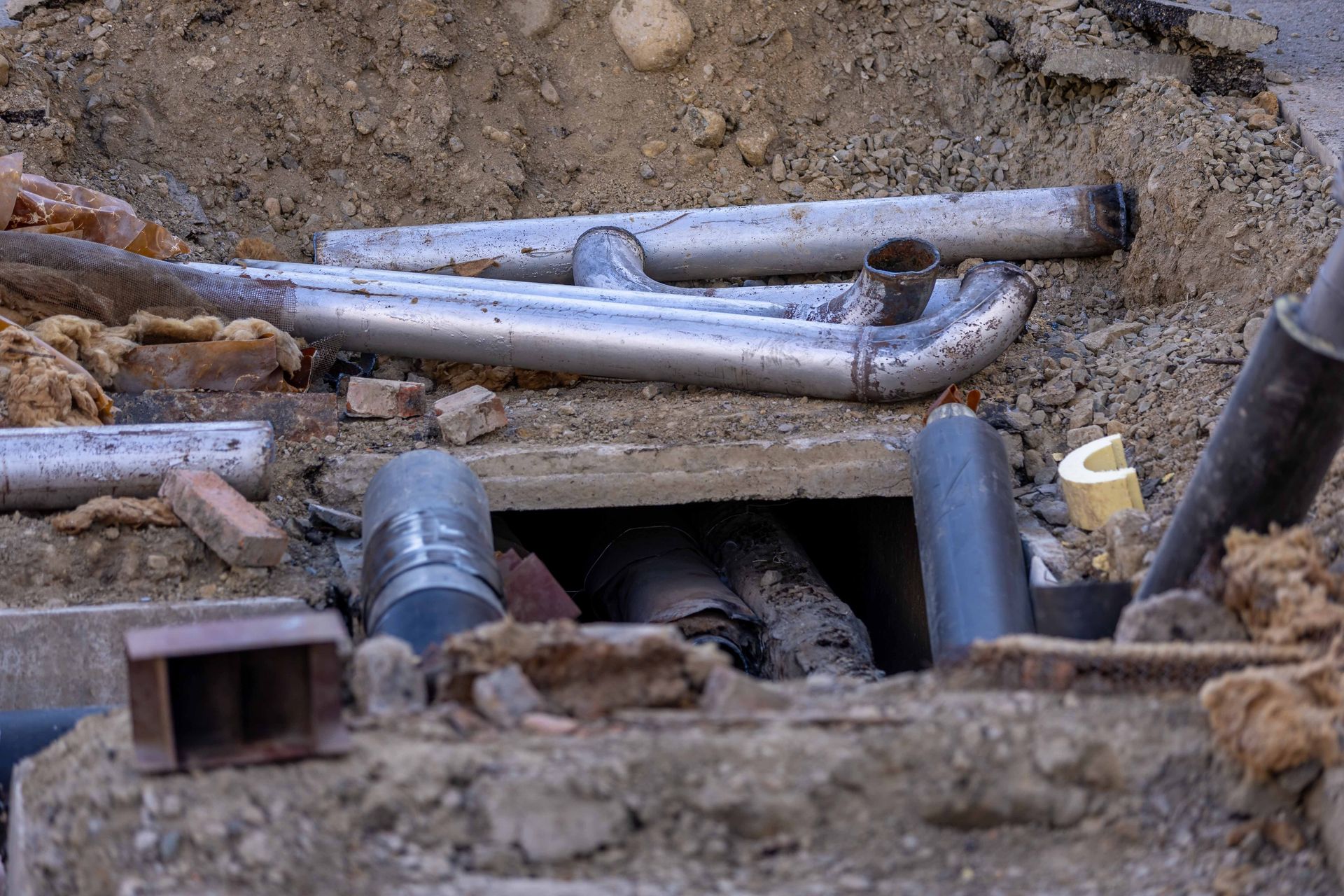
Underground utilities freeze, shift, or fail when trench depth falls short of frost line requirements or backfill compaction leaves voids that allow settlement over time. W-5 Excavation Inc. provides open-cut utility trenching across Williams County and surrounding counties for water lines, sewer lines, electrical conduit, and infrastructure projects where proper excavation depth and bedding procedures directly determine system longevity. North Dakota's deep frost penetration—reaching four to five feet in severe winters—means water lines and sewer pipes require precise burial depths and compacted backfill to prevent frost heave and service interruptions.
Trench excavation begins only after 811 utility locating confirms the positions of existing buried infrastructure, preventing accidental strikes that can disable service or create safety hazards. Excavation proceeds to engineered depths based on pipe type and local code requirements, followed by bedding material placement, pipe installation, and controlled backfill in lifts to achieve proper soil compaction around the utility.
Request a project consultation to review utility routing and excavation specifications for your site.
How Utility Trenching Addresses Depth and Stability
Trench safety practices include sloping or shoring based on soil type and trench depth—sandy soils and depths exceeding four feet require protective systems to prevent cave-ins during pipe installation. Pipe bedding involves placing clean gravel or sand beneath and around the utility to provide uniform support and prevent point loads that can crack rigid pipes over time.
After trenching is complete, you'll see restored surface grades that match existing contours, compacted backfill that resists settling under traffic or equipment loads, and utilities that remain functional through freeze-thaw cycles without frost damage. Water flows consistently at designed pressures, sewer lines maintain proper slope for gravity drainage, and conduit remains protected from external loads.
This service focuses exclusively on open-cut trench excavation and does not include trenchless directional drilling or septic system installation—those applications require different equipment and specialized procedures. Trenching provides direct access for pipe installation, valve placement, and future maintenance access that trenchless methods cannot accommodate.
Answers to Frequent Service Questions
Utility trenching projects involve depth planning, coordination timing, and backfill procedures that affect both installation success and long-term performance.
What burial depth is recommended for water lines in this region?
Water lines typically require burial at least five feet deep to remain below the maximum frost penetration depth experienced during extreme winter conditions in Williams County, preventing freeze damage that can rupture pipes and interrupt service until spring thaw.
Who is responsible for contacting 811 before excavation begins?
Property owners or contractors must initiate the 811 locate request at least two business days before excavation starts—this free service marks existing utilities with color-coded flags and paint, allowing excavation to proceed safely without damaging buried infrastructure.
How does trench width affect installation?
Trench width must provide adequate working room for pipe installation and compaction equipment while minimizing excess excavation—most utility trenches measure two to three feet wide depending on pipe diameter and depth requirements for safe access.
What backfill compaction standards apply to utility trenches?
Backfill is placed and compacted in eight to twelve-inch lifts using appropriate equipment to achieve density that prevents future settling—areas beneath roads or driveways require higher compaction levels than trenches in open yard areas.
Can trenching proceed during winter months?
Frost penetration and frozen ground conditions limit winter trenching feasibility, though projects can proceed during mild periods when surface frost remains shallow and equipment can excavate without encountering frozen soil that prevents proper trench excavation and bedding placement.
W-5 Excavation Inc. coordinates utility locating and manages trench safety throughout the excavation process. Arrange an on-site review to evaluate routing options and discuss excavation depth requirements based on your utility installation plans.