Utilities Installed Without Surface Disruption
Horizontal Directional Drilling in Williams County for utility installation beneath roads, driveways, and existing infrastructure
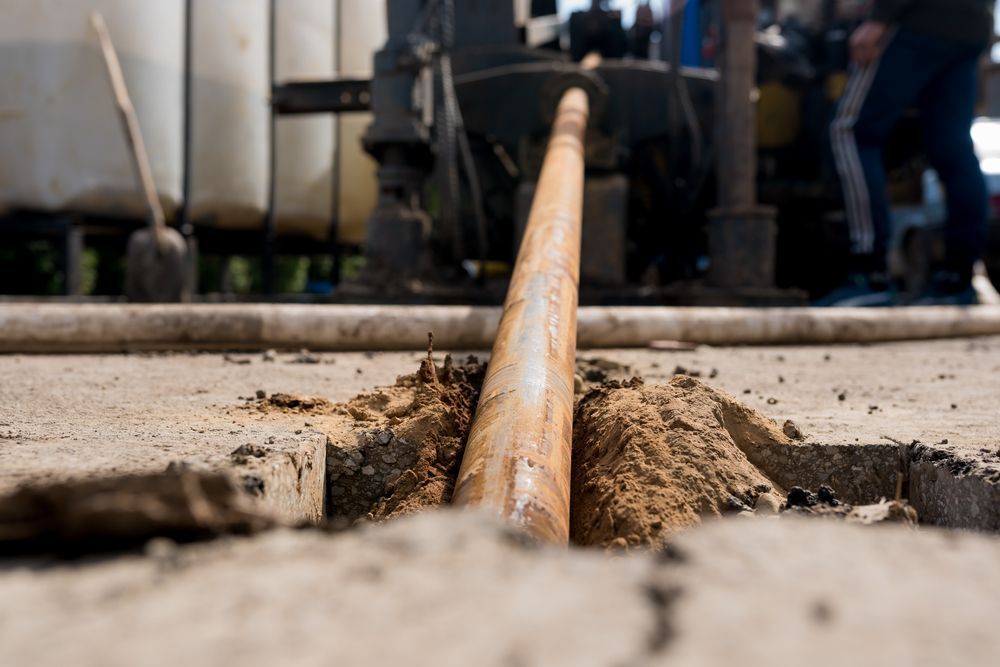
Excavating across paved roads or through landscaped areas creates restoration costs that often exceed the utility installation itself. Horizontal directional drilling provides a trenchless method for installing conduit, communications lines, electrical infrastructure, and water utilities beneath obstacles without disturbing surface improvements. W-5 Excavation Inc. operates drill rigs across Williams County and surrounding areas for projects where preserving driveways, parking lots, roadways, or mature landscaping justifies trenchless installation methods. The process involves drilling a pilot bore along a planned trajectory, then pulling utility conduit back through the enlarged bore path without open-cut excavation.
Drill rig capabilities determine maximum bore length and conduit diameter—project planning accounts for entry and exit pit locations, bore depth beneath obstacles, and soil conditions that affect drilling fluid circulation and bore stability. Pullback operations thread conduit through the completed bore while maintaining tension and alignment to prevent binding or damage during installation.
Arrange a site consultation to evaluate bore routing and discuss horizontal directional drilling feasibility for your utility project.
Why Trenchless Installation Works for Protected Areas
Drilling beneath existing improvements eliminates pavement removal, base reconstruction, and surface restoration that add time and cost to traditional open-cut methods. Bore paths follow engineered trajectories that avoid existing buried utilities, maintain required clearances, and deliver conduit to precise exit locations without surface disturbance between entry and exit pits.
After installation completes, surface conditions remain unchanged—driveways show no saw cuts or patches, landscaping stays intact, and roads continue carrying traffic without lane closures or detours. The installed conduit protects utility lines at depths that prevent frost damage and vehicle loads, while entry and exit pits are backfilled and restored to match surrounding grades.
HDD is separate from traditional open-cut trench excavation services and suits applications where surface preservation outweighs the cost difference between drilling and trenching. Projects requiring multiple utility placements or future access for repair may still benefit from open-cut methods despite surface restoration requirements.
Questions Before Starting Your Project
Horizontal directional drilling involves trajectory planning, equipment capabilities, and application suitability that determine whether trenchless methods provide advantages over conventional excavation.
How does horizontal directional drilling work beneath existing roads?
The drill rig creates a pilot bore following a planned depth and trajectory beneath the road surface, then enlarges the bore to accommodate the utility conduit before pulling the conduit back through the completed path—the road surface remains undisturbed throughout the process except for small entry and exit pits on either side.
What types of utilities can be installed using HDD methods?
Directional drilling accommodates conduit for electrical lines, fiber optic communications, water lines enclosed in protective pipe, and other utilities that can be pulled through a bore path—the conduit diameter and bend radius must match drill rig capabilities and bore path geometry.
What site conditions affect drilling feasibility?
Rocky soils, existing underground obstacles, and extremely tight bore radius requirements can limit HDD applications—soil conditions in Williams County typically support drilling operations, though shallow bedrock areas may require open-cut methods or route adjustments.
How deep can directional bores be placed?
Bore depth depends on drill rig capacity and obstacle clearance requirements, with most residential and commercial installations ranging from four to fifteen feet deep to pass beneath roads, driveways, or frost zones while maintaining safe clearance from existing utilities.
Are there situations where open-cut trenching is more practical than HDD?
Short utility runs in open yard areas, projects requiring multiple conduits with different routing, or installations where future access for maintenance is critical may justify traditional trenching despite surface restoration needs—directional drilling provides the greatest value when crossing obstacles that would otherwise require extensive restoration.
W-5 Excavation Inc. evaluates bore routing and coordinates utility locating before drilling operations begin. Request a project review to compare trenchless installation costs and timelines against conventional excavation options for your utility installation.