Development Sites Graded for Construction
Commercial Site Preparation in Williams County for retail, industrial, agricultural, and commercial development projects
Building pads constructed without proper sub-grade compaction settle unevenly, creating floor cracks and structural stress that appear within the first year of occupancy. Complete commercial site preparation involves mass earthmoving, building pad construction, cut and fill operations, grading, and site stabilization according to approved construction plans and engineered specifications. W-5 Excavation Inc. handles commercial development projects across Williams County, McKenzie County, Mountrail County, and Burke County where retail centers, industrial facilities, agricultural operations, and commercial buildings require engineered site conditions before construction begins. This work coordinates with surveyors who stake pad elevations, engineers who specify compaction standards, and contractors who build on the prepared site.
Site preparation begins with clearing and stripping organic material, then proceeds through rough grading to establish basic contours before fine grading achieves precise pad elevations and drainage slopes. Cut and fill operations balance earthwork quantities when possible, reducing haul distances and import costs while meeting finished grade requirements.
Schedule a pre-construction meeting to review site plans and discuss earthwork specifications for your commercial development.
What Complete Site Preparation Packages Include
Compaction standards vary by soil type and intended use—building pad areas require higher density than perimeter grades, while pavement sub-grades demand uniform support to prevent settling under traffic loads. Soil stabilization methods address weak or expansive soils that would otherwise compromise structural performance, using mechanical compaction, moisture conditioning, or select fill materials depending on existing soil characteristics and engineering requirements.
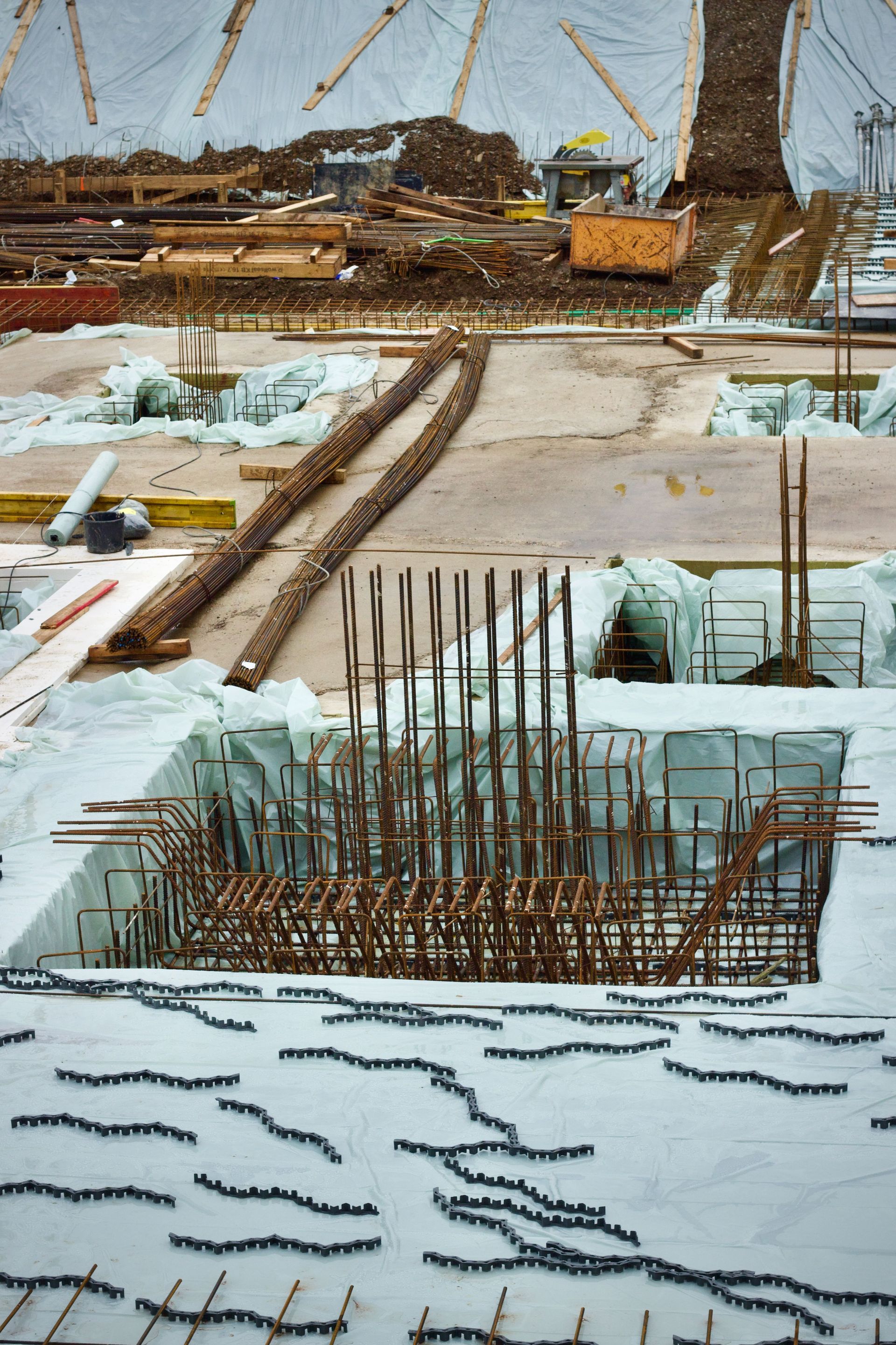
Once site preparation is complete, you'll observe level building pads that match surveyed elevations within tolerance, stable sub-grades verified by density testing, and drainage patterns that direct surface water away from structures toward collection points or detention areas. The prepared site supports construction equipment without rutting, maintains grades through weather exposure, and provides the stable foundation required for building construction and pavement installation.
Sub-grade verification typically involves third-party testing to confirm that compaction density meets engineering specifications before construction proceeds—this documentation becomes part of the project record and satisfies building department requirements. Services focus exclusively on commercial development rather than residential home excavation, which involves different equipment scales and grading tolerances.
What Property Owners Usually Ask
Commercial site preparation involves coordination requirements, compaction verification, and earthwork planning that affect project schedules and construction readiness.
What does a complete site preparation package include?
Complete preparation encompasses clearing, stripping topsoil, rough grading to establish general contours, fine grading to achieve precise elevations, building pad construction with specified compaction, installation of site utilities and drainage structures, and final stabilization to support construction activity without surface degradation.
How is sub-grade compaction verified before construction begins?
Independent testing firms use nuclear density gauges or sand cone tests to measure soil compaction at specified intervals across building pads and pavement areas—test results confirm that density meets the percentage of maximum dry density specified by the project engineer, typically 95 percent or higher for structural areas.
What coordination is required with surveyors and engineers?
Surveyors stake building pad corners, finished floor elevations, and grade break points based on construction drawings, while engineers specify compaction standards, fill material requirements, and testing frequencies—site preparation follows these benchmarks and specifications to deliver conditions that match approved plans.
How do cut and fill operations affect project timelines in Williams County?
Balanced earthwork that reuses excavated material on-site reduces haul time and import costs, but soil conditions and moisture content affect workability—clay-heavy soils common in portions of Williams County may require drying time or moisture conditioning before achieving specified compaction, extending grading schedules during wet periods.
What site stabilization occurs before construction traffic begins?
Stabilization methods include compacting exposed sub-grades to resist rutting, establishing temporary drainage to prevent ponding and erosion, and placing aggregate in high-traffic areas where equipment will operate—these measures protect finished grades and prevent re-work after weather events or construction activity.
W-5 Excavation Inc. coordinates with project engineers and manages compaction testing throughout the site preparation process. Contact our office to discuss earthwork quantities and review grading specifications for your commercial development project.