
Drainage Problems Resolved with Controlled Slope
Precision Grading & Site Drainage in Williston for correcting standing water, erosion, and drainage issues
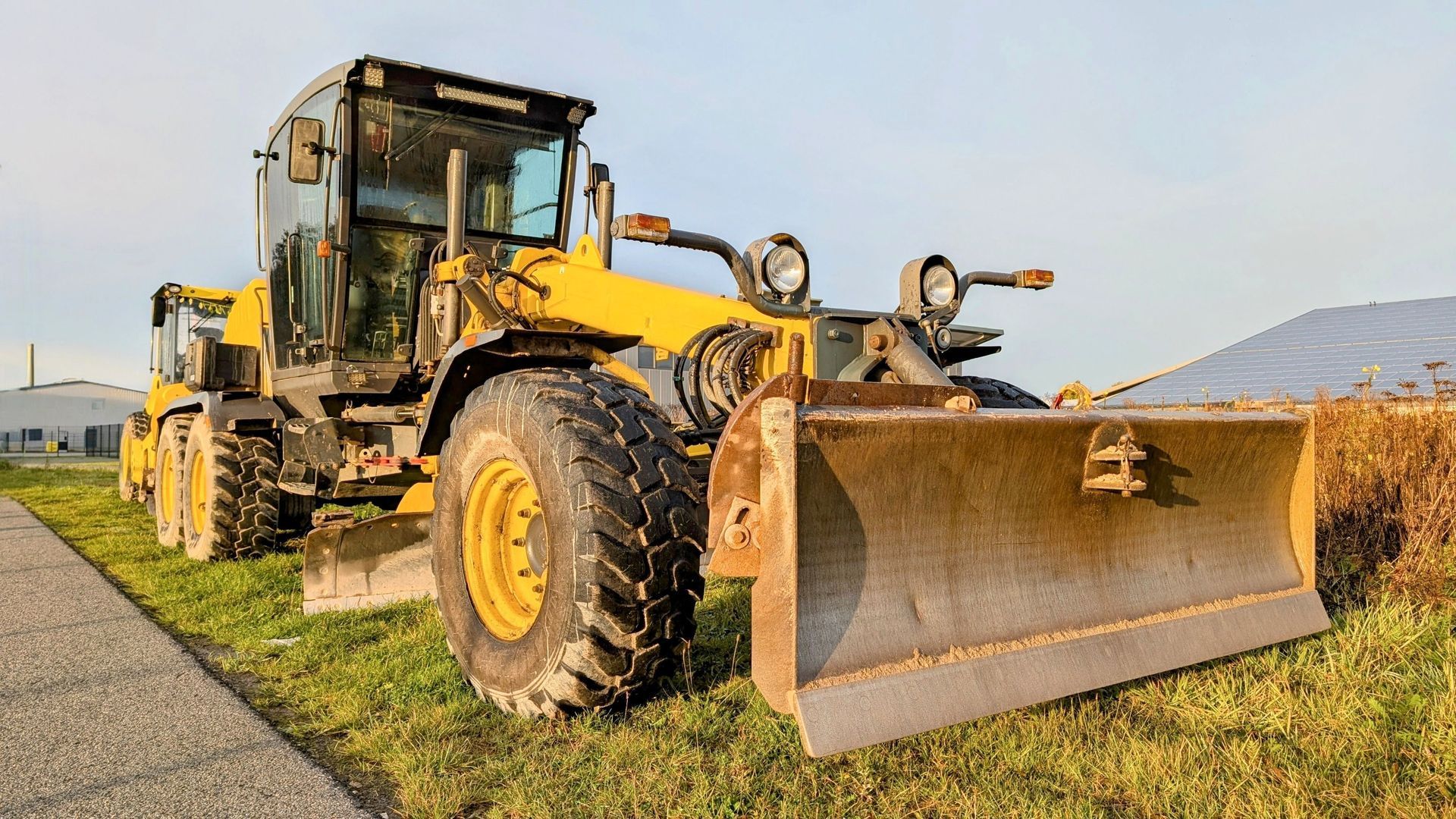
Laser-guided grading corrects surface irregularities that trap water against foundations, flood driveways, or create erosion channels across residential, commercial, and agricultural properties in Williams County, McKenzie County, Mountrail County, and Burke County. W-5 Excavation Inc. establishes consistent slope away from structures, installs drainage features like swales or culverts, and grades gravel driveways to prevent washouts during spring runoff or heavy rain events common to this region. Property owners notice water flowing away from buildings instead of pooling near walls, gravel surfaces that shed water without forming ruts, and reduced soil erosion along property edges.
Precision grading uses laser-guided equipment to cut or fill soil at exact elevations, creating uniform slopes that direct surface water toward drainage paths. This process addresses standing water caused by depressions, corrects grading mistakes from prior construction, and prepares sites for gravel placement or landscaping that requires stable, well-drained surfaces.
Request a planning session to evaluate drainage patterns and identify grading adjustments needed to prevent water accumulation on your property.
What You Notice Once Grading Is Finished
Grading work begins with evaluating existing drainage patterns and identifying where water collects or flows incorrectly. Laser levels set reference points, and equipment removes high spots or fills low areas to establish slopes that typically range from two to five percent depending on site use and soil conditions. Swales are shaped to channel runoff, culverts are positioned to carry water under driveways, and French drains are installed where subsurface drainage is necessary to lower groundwater near foundations.
After grading concludes, surfaces drain consistently toward designated outlets, standing water no longer forms near structures or in traffic areas, and erosion stops along slopes where water previously cut channels into exposed soil. Gravel driveways settle evenly without washboard patterns, and foundation perimeters remain dry during seasonal precipitation because slopes direct water away from basement walls or crawl spaces.
Grading alone does not include asphalt paving or septic system installation, though it prepares sites for both by establishing proper elevations and drainage flow. Projects may involve multiple passes with grading equipment to achieve final elevations, especially on properties with significant existing grade errors or compacted subsoil that resists shaping. Evaluating drainage before recommending solutions prevents unnecessary earthwork and focuses adjustments on areas where water management improvements deliver measurable results.
Answers to Frequent Service Questions
Grading and drainage projects depend on understanding how water moves across specific properties and what site conditions influence surface flow.
How does poor grading cause foundation water problems?
When soil slopes toward a structure instead of away from it, rainwater and snowmelt flow directly against foundation walls, increasing hydrostatic pressure, causing basement seepage, and accelerating foundation deterioration over time.
What slope is required for proper gravel driveway drainage?
Gravel driveways typically need a minimum two percent slope to prevent water from pooling, with cross-slope adjustments added to direct runoff toward edges rather than allowing it to cut channels down the center of the driving surface.
When should swales be used instead of French drains?
Swales handle surface runoff across open ground where visible channels can direct water toward outlets, while French drains address subsurface water or situations where surface drainage would interfere with landscaping or site aesthetics.
How does North Dakota's freeze-thaw cycle affect drainage grading?
Spring thaw generates concentrated runoff that tests drainage systems more severely than rainfall, making proper slope and outlet capacity critical for properties in Williston where snowpack accumulation and rapid melt cycles occur annually.
What site conditions require culvert installation during grading?
Culverts are necessary where driveways cross drainage swales, where water must pass under roadways, or where natural flow patterns would otherwise flood access routes during storm events or seasonal runoff.
W-5 Excavation Inc. evaluates drainage patterns before recommending grading or water management improvements, ensuring that surface adjustments address the root causes of standing water or erosion rather than simply moving soil. Schedule a property evaluation to review grading options and discuss drainage solutions tailored to your residential, commercial, or agricultural site in Williams County, McKenzie County, Mountrail County, or Burke County.