Systems Built to Handle North Dakota Soil
Septic System Installation in Williams County for properties requiring compliant, engineered wastewater treatment
W-5 Excavation Inc. handles complete septic system installations across Williams County, McKenzie County, Mountrail County, and Burke County for residential properties and new construction sites where municipal sewer connections are unavailable. Soil conditions throughout this region—ranging from clay-heavy compositions to areas with high seasonal water tables—directly determine drain field layout, tank depth, and system design before any excavation begins. These installations follow engineered plans approved by local health departments and comply with North Dakota Department of Environmental Quality and EPA guidelines governing wastewater treatment systems.
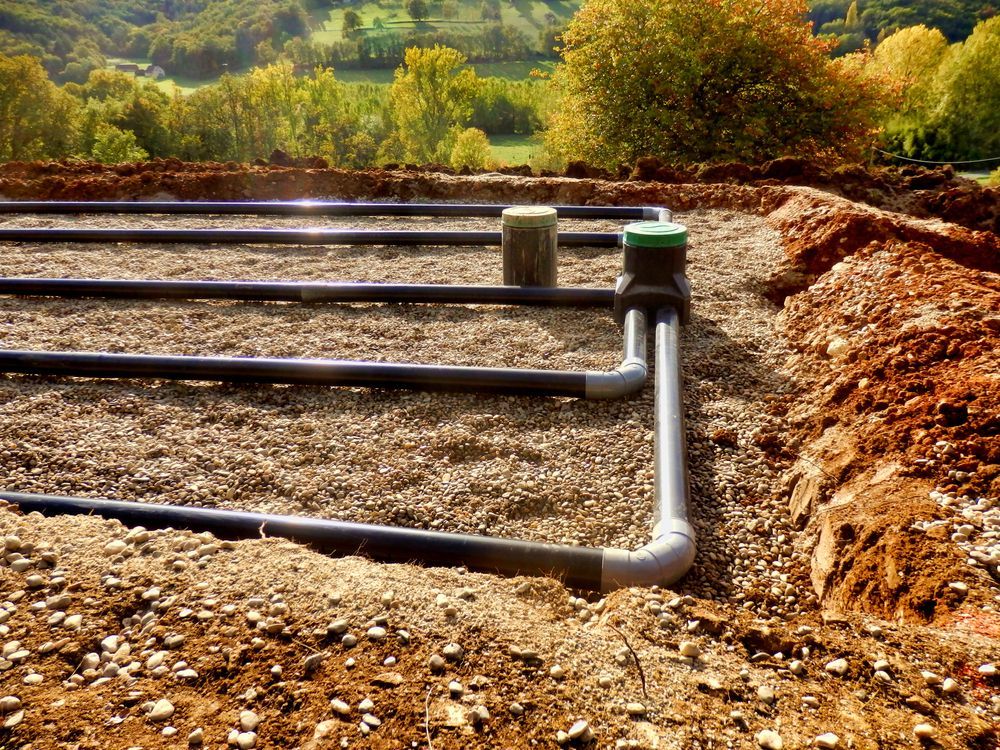
The installation process begins with soil evaluation and engineering plan approval, followed by excavation of the tank site and drain field trenches according to specified depths and layouts. Tank placement involves precise leveling to maintain proper flow dynamics, while drain field excavation requires careful attention to trench width, bedding material, and distribution pipe positioning to ensure even effluent dispersal across the absorption area.
Schedule a site evaluation to review soil conditions and discuss engineered plan requirements for your property.
What Proper Septic Installation Requires
Complete installations involve coordination with health department inspectors at multiple stages—tank placement verification, drain field layout confirmation, and final system approval before backfilling. Soil conditions discovered during excavation occasionally require adjustments to trench depth or field configuration, which is why approved engineering plans include contingency specifications based on soil test results and percolation rates.
Once the system is installed and inspected, you'll notice that wastewater drains consistently without backups, odors remain absent from the drain field area, and the yard surface above the tank and field settles evenly after compaction. The system operates invisibly—effluent moves from the tank through distribution lines into the drain field where soil naturally filters and treats wastewater before it reaches groundwater levels.
W-5 Excavation specializes in complete installations and replacement systems but does not provide septic pumping, tank cleaning, or routine drain line unclogging—those maintenance services require different equipment and licensing. Installation work focuses exclusively on excavation, tank placement, drain field construction, and system commissioning according to approved plans.
What Property Owners Usually Ask
Septic installations in Williams County involve specific considerations related to permitting, soil conditions, and system sizing that affect project planning and timelines.
How is septic tank size determined for a residential property?
Tank sizing follows state guidelines based on the number of bedrooms in the home, not the number of occupants—a three-bedroom home typically requires a 1,000-gallon tank regardless of household size, because bedroom count determines potential wastewater volume over the system's lifespan.
What happens if soil conditions differ from initial testing?
Engineered plans include alternative drain field configurations based on soil percolation rates discovered during excavation, allowing adjustments to trench spacing, field size, or depth without requiring complete plan resubmission to the health department.
How long does a complete septic system installation take?
Installation timelines depend on system complexity and inspection scheduling, but most residential installations involve two to four days of excavation and construction work, plus additional time for required inspections and final backfilling approval.
Why are drain fields positioned in specific yard locations?
Drain field placement must maintain required setback distances from wells, property lines, buildings, and surface water bodies—North Dakota regulations specify minimum separation distances that protect groundwater quality and prevent contamination of drinking water sources.
What's included in a replacement system installation?
Replacement installations involve removing the existing tank, excavating a new drain field in a different yard location (since the original field soil is saturated), placing a new tank, constructing the new drain field according to current code requirements, and connecting all components to the home's existing sewer line.
W-5 Excavation Inc. coordinates all required inspections and manages permitting communication with local health departments throughout the installation process. Contact our office to discuss engineered plan requirements and schedule your installation based on inspection availability.